
 Posted by
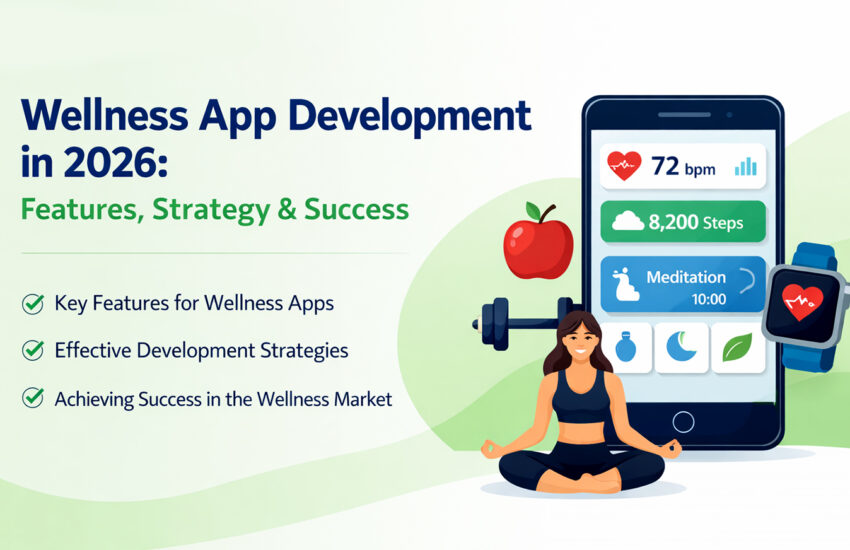
 Wellness applications have transformed how people manage their daily health routines. By 2026, these platforms integrate deeply with wearables and leverage artificial intelligence to deliver actionable insights that go far beyond basic activity tracking. Users now expect apps that understand their unique biometric patterns, emotional states, and lifestyle demands while offering practical support for physical fitness, mental resilience, and overall balance.
The demand for comprehensive wellness solutions continues to rise as more individuals seek convenient ways to address modern challenges like stress, irregular sleep, and sedentary habits. Developing a wellness application requires careful planning around user needs, technological capabilities, and long-term engagement strategies that drive meaningful results.
Understanding Wellness Applications in 2026
Wellness applications serve as complete digital companions that help users monitor, improve, and maintain their physical, mental, and emotional health. In 2026, these apps combine data from smartwatches, fitness rings, and other devices with advanced analytics to create personalized experiences that feel intuitive and supportive. They focus on holistic wellbeing rather than isolated metrics.
Modern wellness platforms stand out by offering proactive guidance instead of simple logging. Features such as real-time stress detection, adaptive content recommendations, and seamless synchronization with health ecosystems make them essential tools for users who want sustainable improvements in their daily lives.
Essential Features for Successful Wellness Apps
Key features in wellness applications center on intelligent tracking and personalized interventions. Mood logging combined with heart rate variability analysis, guided breathing sessions, and AI-generated daily plans help users stay consistent. Integration with popular wearables allows automatic capture of sleep stages, recovery scores, and activity levels.
Additional capabilities like short mindfulness exercises, habit-building challenges, and community forums enhance user retention. Gamification elements such as streaks and rewards encourage regular use while educational modules on nutrition, recovery, and nervous system regulation add depth to the overall experience.
Why Investing in Wellness App Development Matters Now
Wellness app development addresses growing lifestyle pressures that many people face in fast-evolving work and personal environments. By providing accessible tools for habit improvement and emotional support, these applications reduce reliance on expensive or inconvenient traditional options. They empower users with immediate, data-backed nudges that promote better choices throughout the day.
The expanding global reach of smartphones and cloud infrastructure has made quality wellness support available to diverse audiences regardless of location. This accessibility creates opportunities for developers to build solutions that deliver genuine value while supporting long-term user health goals.
Defining Purpose and Target Audience
Successful wellness applications begin with a clear definition of their primary focus areas. Whether emphasizing mental health tools, sleep optimization, fitness integration, or women’s health cycle tracking, the app must align features directly with the chosen direction. Understanding the specific pain points of target groups such as young professionals or active adults shapes content tone and functionality.
Audience research helps tailor interfaces, notification styles, and recommendation engines to match user preferences and daily routines. This focused approach increases relevance and encourages stronger emotional connection with the platform over time.
Building with Evidence-Based Content
Evidence-based approaches form the foundation of credible wellness applications. Incorporating techniques validated through research, such as mindfulness practices and cognitive behavioral elements, ensures users receive reliable guidance. Collaboration with qualified experts during content creation maintains scientific accuracy across all modules.
High-quality educational resources, including bite-sized explanations and progressive programs, help users understand the reasoning behind suggested activities. This transparency builds trust and motivates consistent engagement as people see measurable progress in their wellbeing metrics.
Achieving Deep Personalization
Personalization in wellness applications uses artificial intelligence to analyze individual patterns from wearable data and self-reported information. Adaptive algorithms refine suggestions for meditation duration, exercise intensity, or recovery focus based on real-time feedback and historical trends.
Users benefit when recommendations evolve naturally with their changing goals and energy levels. This level of customization transforms generic advice into relevant support that respects personal schedules and preferences, leading to higher satisfaction and better adherence rates.
Delivering Quick and Practical Solutions
Wellness applications succeed by offering solutions that fit busy schedules without requiring large time commitments. Short guided sessions lasting three to ten minutes, instant breathing tools, and quick mood check-ins provide immediate relief during stressful moments. These micro-interventions deliver noticeable benefits that encourage repeated use.
Practical design elements like one-tap access to favorite routines and voice-activated controls make daily interactions effortless. When users experience fast results, they develop stronger habits and view the app as a reliable partner in their wellness journey.
Strategies for Continuous User Engagement
Continuous engagement relies on thoughtful reminders, progress visualization, and motivational elements that feel supportive rather than intrusive. Smart notification systems timed to user routines, combined with streak tracking, help maintain momentum across weeks and months.
Community features and achievement systems add social dimensions that keep users returning. When individuals celebrate small wins alongside others or receive encouragement at key moments, retention improves and wellness becomes a more enjoyable shared experience.
Prioritizing Data Privacy and Security
Data privacy stands as a critical priority when handling sensitive health and emotional information in wellness applications. Robust security measures, including encryption and user-controlled sharing options, protect personal details while maintaining compliance with relevant regulations. Transparent policies help users feel confident about their data usage.
Building trust through clear communication about security practices encourages deeper engagement with tracking features. Users who understand how their information stays protected are more likely to share accurate details that improve personalization and overall app effectiveness.
Smart Monetization and Growth Approaches
Monetization strategies for Andriod wellness applications often combine free core experiences with premium upgrades for advanced insights or specialized coaching. Subscription models provide steady value through exclusive content and ad-free usage, while in-app purchases allow flexible access to targeted programs.
Growth efforts benefit from multi-platform availability, localized interfaces, and strategic partnerships that expand reach. When applications balance accessibility with sustainable revenue streams, they create opportunities for ongoing innovation and broader positive impact on user health.
Tech Considerations for Wellness App Development
Development teams select technologies that support seamless wearable integration and on-device artificial intelligence processing for better privacy and speed. Cross-platform frameworks help reach both major mobile ecosystems efficiently while backend systems ensure reliable data handling at scale.
Voice interfaces and generative AI capabilities are becoming standard expectations. Choosing the right combination of tools allows teams to deliver responsive, intelligent experiences that evolve with user needs and emerging health tracking standards.
Measuring Success in Wellness Applications
Success metrics extend beyond download numbers to include sustained engagement, user-reported improvements, and retention over extended periods. Applications that combine strong technical performance with meaningful health outcomes tend to build loyal user bases that advocate for the platform organically.
Regular analysis of behaviour patterns and feedback loops supports continuous refinement. When developers listen closely to how people actually use features, they can enhance elements that deliver the greatest positive impact on daily well-being.
The most effective wellness applications blend intelligent technology with compassionate design to help users create lasting positive changes. By focusing on real human needs alongside advanced capabilities, these platforms help individuals achieve a better balance in their physical and mental health.
MMF Infotechs brings deep expertise in crafting such thoughtful digital wellness experiences that prioritize both innovation and user trust.