
 Posted by
 The digital health industry is rapidly evolving, and wellness apps are becoming an essential part of modern lifestyles. As consumers focus more on preventive healthcare, fitness, mental wellbeing, and lifestyle management, businesses are increasingly investing in wellness app development to meet growing market demand. In 2026, wellness applications are no longer limited to simple activity trackers; they now offer intelligent health insights, personalized experiences, and data-driven recommendations that empower users to live healthier lives.
With the rise of wearable technology, AI-driven analytics, and personalized health tracking, building a successful wellness application requires a strategic approach. Businesses must understand user behavior, design engaging features, and develop scalable technology infrastructure. This wellness app development guide explores essential features, development strategies, business models, and best practices to help businesses successfully launch and grow a wellness platform in 2026.
Understanding the Wellness App Development Market
The demand for digital wellness solutions continues to grow as people actively seek tools that help them manage stress, fitness routines, nutrition plans, and overall lifestyle habits. Wellness app development has become a strong opportunity for startups, healthcare providers, and digital businesses looking to enter the rapidly expanding digital health ecosystem.
Today’s wellness applications integrate multiple health categories such as physical fitness, mental wellbeing, nutrition tracking, sleep monitoring, and mindfulness programs. Businesses entering this space must focus on user-centric solutions that offer personalized experiences, data insights, and long-term engagement.
Why Businesses Are Investing in Wellness Apps
Organizations are investing in wellness app development because digital wellness solutions provide scalable business opportunities while addressing the increasing demand for healthier lifestyles. Wellness apps enable businesses to create long-term user engagement while generating sustainable revenue through subscriptions, premium features, and digital services.
Some key market drivers encouraging businesses to build wellness applications include:
- Growing awareness of mental health and lifestyle diseases
- Rapid adoption of wearable health devices
- Increased focus on preventive healthcare solutions
- Rising demand for remote wellness and fitness support
- Growth of digital healthcare ecosystems worldwide
Wellness App Features and Benefits
A successful wellness application must deliver meaningful value to users while maintaining high engagement levels. In modern wellness app development, features are designed to provide personalized health guidance, performance tracking, and motivation for users to maintain healthier habits.
The right combination of features can improve user retention, enhance user experience, and help businesses build a competitive wellness platform that stands out in the digital health market.
Personalized Health Tracking
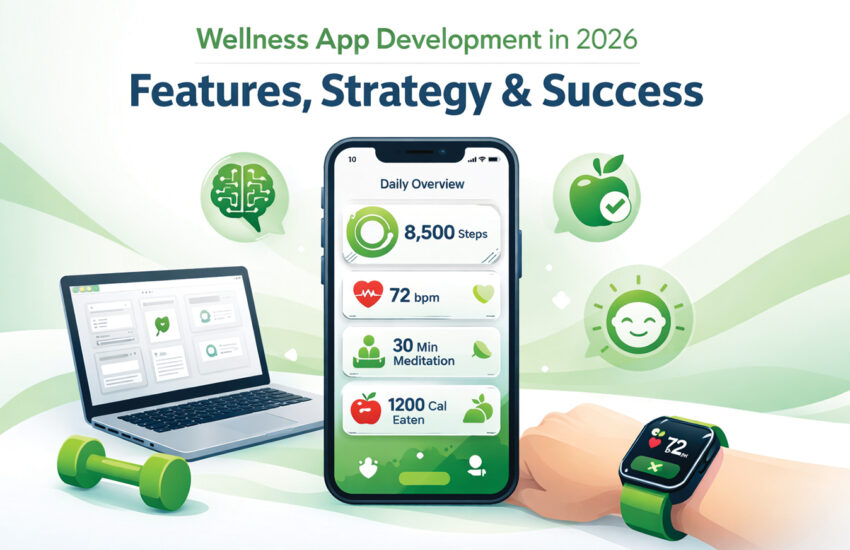
Personalized health tracking is one of the most important wellness app features and benefits. Users expect apps to track activities such as steps, workouts, heart rate, sleep cycles, and daily habits while offering insights tailored to their personal goals.
Using intelligent data analysis, wellness apps can provide personalized recommendations for fitness routines, diet improvements, and stress management strategies, helping users maintain healthier lifestyles over time.
Wearable Device Integration
Modern wellness apps often integrate with wearable devices such as smartwatches and fitness bands. This integration allows apps to collect real-time health data, including heart rate, calories burned, and sleep patterns.
For businesses planning how to build a wellness app, wearable connectivity significantly enhances the user experience by providing accurate health insights and real-time monitoring capabilities.
AI-Based Health Insights
Artificial intelligence is playing a major role in modern wellness app development. AI-powered algorithms analyze user behavior and health metrics to deliver intelligent recommendations that help users improve their wellness routines.
These insights may include personalized workout plans, stress reduction techniques, diet suggestions, and sleep improvement tips, making wellness apps more effective and engaging for long-term users.
Gamification and Motivation Tools
Gamification is widely used to increase engagement in wellness apps. Features such as achievement badges, daily challenges, streak tracking, and leaderboards motivate users to stay consistent with their health routines.
These engagement strategies help transform routine wellness activities into enjoyable experiences, encouraging users to remain active within the platform and maintain healthy habits.
Step-by-Step Wellness App Development Process
Developing a successful wellness platform requires a structured and strategic development process. Businesses must carefully plan each stage of the product lifecycle to ensure that the application meets user expectations and industry standards.
A step-by-step wellness app development process helps businesses build scalable, secure, and user-friendly digital wellness platforms that deliver long-term value.
Market Research and Idea Validation
The first step in wellness app development is conducting thorough market research. Businesses need to analyze competitors, identify target audiences, and evaluate user needs before building the application.
Understanding market demand allows businesses to define their value proposition and ensure that their wellness app solves real user problems rather than duplicating existing solutions.
Defining Core Features and Functionalities
Once the concept is validated, the next stage is defining the key features of the wellness application. This includes identifying the health metrics to track, designing personalized recommendation systems, and integrating wearable devices.
Clear feature planning ensures that the application delivers a focused user experience and prevents unnecessary complexity during the development phase.
UI/UX Design and Prototyping
User experience plays a critical role in the success of wellness applications. A clean, intuitive, and calming design improves usability and encourages users to interact with the platform regularly.
Prototyping helps developers visualize the app interface, user flows, and feature interactions before the development process begins, reducing design errors and improving efficiency.
App Development and Testing
During the development phase, engineers build the application using modern mobile technologies and cloud-based infrastructure. This stage includes backend development, API integrations, and data security implementation.
Extensive testing is conducted to ensure that the app performs smoothly across devices, protects sensitive user data, and delivers a stable user experience.
Launch and Continuous Improvement
After development and testing, the application is launched on app stores and introduced to the target audience. However, wellness app development does not end at launch.
Continuous updates, feature improvements, and user feedback analysis help businesses refine their platform and maintain long-term user engagement.
Wellness App Business Model Strategies
A successful wellness app requires a sustainable monetization strategy. Businesses must select a wellness app business model that generates revenue while maintaining a strong user experience.
Different monetization approaches allow companies to scale their digital wellness platforms while providing flexible pricing options for users.
Subscription-Based Model
Subscription plans are one of the most popular monetization strategies for wellness apps. Users pay a monthly or yearly fee to access premium features, personalized coaching programs, and advanced health analytics.
This model creates predictable recurring revenue while ensuring that users receive continuous value through updated content and improved wellness programs.
Freemium Model
The freemium model allows users to access basic features for free while offering premium tools through paid upgrades. This strategy helps attract a large user base while encouraging conversions to paid subscriptions.
Businesses can offer advanced fitness plans, meditation programs, nutrition coaching, or expert consultations as premium services within the platform.
In-App Purchases
In-app purchases provide an additional revenue stream for wellness apps. Users can buy personalized workout plans, digital wellness programs, or professional coaching sessions within the app.
This model allows businesses to monetize specialized content while maintaining free access to basic features.
Best Practices for Wellness App Design
Design plays a critical role in user engagement and retention for wellness applications. A well-designed wellness app should promote simplicity, comfort, and accessibility to ensure users can easily manage their health activities.
Following the best practices for wellness app design helps businesses create intuitive digital experiences that support long-term user adoption.
Focus on Simple and Intuitive Navigation
Users should be able to navigate the app easily without confusion. Clear menus, structured dashboards, and simple layouts make it easier for users to track health metrics and access wellness programs.
Minimalist design elements and logical user flows improve usability and encourage consistent interaction with the platform.
Ensure Data Privacy and Security
Wellness applications handle sensitive personal and health data, making security a top priority during development. Businesses must implement encryption protocols, secure authentication systems, and transparent privacy policies.
Ensuring strong data protection builds trust with users and strengthens the reputation of the wellness platform.
Create Personalized User Experiences
Personalization significantly improves user engagement in wellness applications. Customized dashboards, tailored health recommendations, and adaptive wellness programs make users feel that the app understands their needs.
By using behavioral analytics and AI-driven insights, wellness platforms can continuously optimize the user experience and deliver meaningful value.
Conclusion
The future of digital health is strongly connected to wellness app development. As consumers prioritize healthier lifestyles and preventive healthcare solutions, businesses have a major opportunity to build innovative wellness platforms that support fitness, mental wellbeing, nutrition management, and lifestyle improvement.
By following a strategic wellness app development guide, implementing advanced wellness app features and benefits, and adopting the right wellness app business model, companies can successfully launch scalable wellness applications in 2026. Partnering with an experienced mobile app development company can help businesses design, develop, and launch high-performing wellness platforms that meet modern user expectations. Companies like MMF Infotech help businesses transform wellness ideas into powerful digital solutions through strategic development, advanced technology integration, and scalable app architecture.