
 Posted by
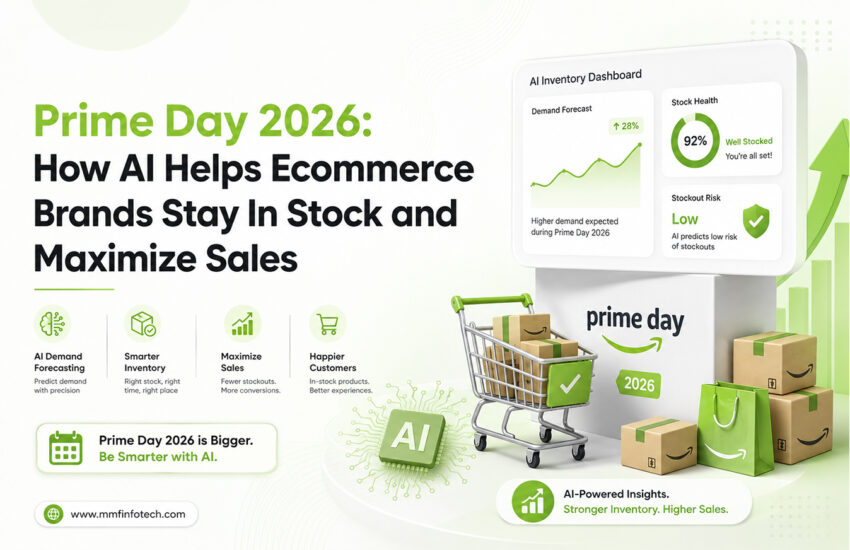
 Prime Day 2026 will be one of the biggest stress tests for ecommerce operations, especially for brands selling on Amazon India. Demand can spike overnight, ad costs rise sharply, and a single stockout can wipe out weeks of profit and organic ranking gains. This is exactly where AI inventory forecasting becomes a competitive advantage instead of just a buzzword.
By combining historical sales, real-time marketplace signals, and marketing plans, AI inventory forecasting helps brands stay in stock, protect rankings, and scale profitably during Prime Day. When used correctly, it turns chaotic guessing into predictable, data-backed Prime Day inventory planning that supports both revenue and long-term growth.
Why Prime Day 2026 Demands Smarter Inventory Decisions
Prime Day is no longer just a two-day sale; it is a full funnel event that starts weeks earlier with awareness campaigns and continues with post-event retargeting. For Indian ecommerce brands, this means inventory decisions made today will impact sales, ad efficiency, and organic visibility for months after Prime Day 2026 ends.
Traditional spreadsheets and manual forecasting methods struggle to keep up with this complexity. They often ignore factors like competitor pricing, lightning deals, new keyword trends, and sudden shifts in consumer behavior. AI inventory forecasting and predictive inventory management are built to process these variables at scale, giving brands a clearer picture of how much to stock, where to stock it, and when to replenish.
What Is AI Inventory Forecasting And How Does It Work?
AI inventory forecasting uses machine learning models to predict future demand based on large volumes of structured and unstructured data. Instead of relying only on last year’s Prime Day numbers, AI inventory management systems learn from multiple data sources and continuously adjust forecasts as new information appears.
For Prime Day inventory management, these models typically analyze past sales, seasonality, pricing changes, promotions, reviews, and even external signals like holidays or macro trends. The result is a dynamic forecast that updates as campaigns go live, bids change, or new competitors enter the category, helping brands avoid Prime Day stockouts without over-investing in slow-moving SKUs.
Key Data Inputs Used In Predictive Inventory Management
Effective predictive inventory management for Prime Day relies on combining operational and marketing data. The more complete the data, the more accurate the AI inventory forecasting output becomes, especially in volatile, promotion-heavy periods.
Typical inputs used for Prime Day sales forecasting include:
- Historical sales by day, week, and event periods (previous Prime Days, Diwali, festive sales)
- Price changes, coupons, and lightning deals performance
- Advertising spend, impressions, click-through rates, and conversion rates
- Keyword ranking trends and search volume shifts
- Inventory lead times, supplier reliability, and logistics constraints
How AI Inventory Management Adapts In Real Time
One of the biggest advantages of AI inventory management is its ability to adapt as Prime Day approaches. When ad campaigns start ramping up or a product suddenly gains traction from a new keyword, the system can quickly adjust demand forecasts and recommended reorder quantities.
This real-time responsiveness is critical for Amazon Prime Day inventory planning in India, where supply chains may face regional disruptions, warehouse constraints, or shipping delays. AI-driven alerts can flag SKUs at risk of stockout, suggest inventory reallocation between fulfillment centers, and guide which products to prioritize for express replenishment.
Aligning AI Inventory Forecasting With Amazon Prime Day Strategy
To get full value from AI inventory forecasting, brands need to connect it with their broader Amazon Prime Day preparation. Forecasts should not exist in isolation; they must be tightly linked with pricing, promotions, Amazon Advertising services, and Amaozn SEO and Product Listing Managment.
When marketing and operations teams work from the same AI-driven forecast, they can coordinate which SKUs to push, how aggressively to bid, and how to balance visibility with profitability. This alignment ensures that Prime Day inventory optimization supports both short-term sales spikes and long-term ranking stability.
Integrating Forecasts With Amazon Advertising Services
Prime Day ad strategies directly influence demand, so they must be reflected in AI inventory forecasting models. If a brand plans to double Sponsored Products and Sponsored Brands budgets, the system should anticipate higher unit sales and adjust inventory targets accordingly.
By feeding planned ad budgets, target ACOS, and key campaign dates into predictive inventory management tools, brands can avoid situations where ads are performing well but inventory runs out mid-event. This integration also helps optimize bids for SKUs with limited stock, preventing wasted spend on products that cannot be fulfilled.
Connecting Inventory Planning With Amazon SEO And Listings
Prime Day success is not only about ads; organic visibility plays a major role. Amaozn SEO and Product Listing Managment efforts, such as keyword optimization, improved images, and enhanced content, often increase conversion rates and click-through rates.
AI inventory management systems that track these improvements can adjust forecasts when listings become more compelling. For example, if a product’s conversion rate increases after content optimization, the AI can project higher demand for Prime Day and recommend additional stock to support the new performance baseline.
Practical Steps To Use AI For Prime Day Inventory Optimization
Brands preparing for Prime Day 2026 can follow a structured approach to implement AI inventory forecasting effectively. The goal is to move from reactive decisions to proactive planning that accounts for both historical patterns and upcoming marketing initiatives.
Instead of trying to overhaul every process at once, start by focusing on your top revenue-driving SKUs and high-potential products. These items usually contribute the most to Prime Day revenue and are the most damaging to your brand if they go out of stock during peak traffic.
Step 1: Segment SKUs And Define Prime Day Priorities
Begin by segmenting your catalog into priority tiers. Identify hero products, fast movers, seasonal items, and experimental SKUs. AI inventory forecasting models can then be tuned with different service levels and risk thresholds for each segment.
For example, you may choose a higher safety stock level for hero SKUs to avoid Prime Day stockouts at all costs, while accepting more risk on long-tail products. This segmentation also helps align Amazon account managment services, ad budgets, and promotional slots with the SKUs that truly matter.
Step 2: Feed Marketing And Operational Plans Into The Model
Next, integrate your Prime Day ecommerce strategy into the forecasting system. Share planned discounts, deal types, ad spend, and expected traffic surges so the AI can simulate different demand scenarios and provide more realistic forecasts.
On the operational side, include supplier lead times, minimum order quantities, and warehouse capacity. This allows the AI inventory management engine to recommend not just how much to order, but also when to place orders and which fulfillment centers to prioritize for Prime Day inventory management.
Step 3: Monitor, Adjust, And Replenish Proactively
As Prime Day 2026 approaches, monitor live dashboards and alerts from your predictive inventory management tools. Look for SKUs where actual demand is diverging from the forecast, and adjust purchase orders or transfer inventory accordingly.
During the event itself, real-time AI inventory forecasting can guide decisions such as pausing ads on low-stock SKUs, shifting budget to well-stocked winners, or triggering urgent replenishments where feasible. This continuous optimization loop helps protect both revenue and customer experience.
How AI Inventory Forecasting Supports Long-Term Growth Beyond Prime Day
While Prime Day is a major milestone, the benefits of AI inventory forecasting extend far beyond a single event. The same models that power Prime Day sales forecasting can be used to plan for festive seasons, new product launches, and cross-channel expansion.
Over time, AI inventory management builds a rich understanding of demand patterns unique to your brand, category, and audience in India. This leads to better cash flow management, fewer write-offs, and stronger relationships with suppliers, as orders become more predictable and data-driven.
Strengthening Rankings And Customer Loyalty
Staying in stock during high-traffic events has a direct impact on organic rankings and customer trust. Products that frequently stock out often lose visibility, while consistent availability signals reliability to both Amazon’s algorithm and shoppers.
By using AI inventory forecasting to avoid Prime Day stockouts, brands protect their hard-earned keyword rankings and review momentum. This creates a compounding effect where strong performance during Prime Day supports sustained sales growth long after the event ends.
Conclusion: Turning Prime Day 2026 Into A Predictable Growth Engine
Prime Day 2026 will reward ecommerce brands that treat inventory as a strategic growth lever, not just an operational task. By combining AI inventory forecasting, predictive inventory management, and integrated Amazon Prime Day preparation, you can stay in stock, scale winning SKUs, and protect your rankings during the most competitive days of the year.
If you are ready to turn Prime Day from a stressful guessing game into a predictable, data-led growth engine for your Amazon business in India, partnering with experts like MMF Infotech can help you connect AI inventory management, Amazon Advertising services, and Amazon account managment services into one cohesive Prime Day ecommerce strategy.